Blog
Best Magic Mushrooms in Canada: Top Products Reviewed & Rated
Mar
Best Magic Mushrooms in Canada: Top Products Reviewed & Rated
You know how the hardest part of researching magic mushrooms in Canada is not finding products, it is sorting out what is legal, what is marketing, and what is actually safer for your health. In this guide, I break down the current Canadian landscape, explain the legal pathways, review the main product formats, and share practical safety checks so you can make clearer, lower-risk decisions.
Overview of Magic Mushrooms in Canada
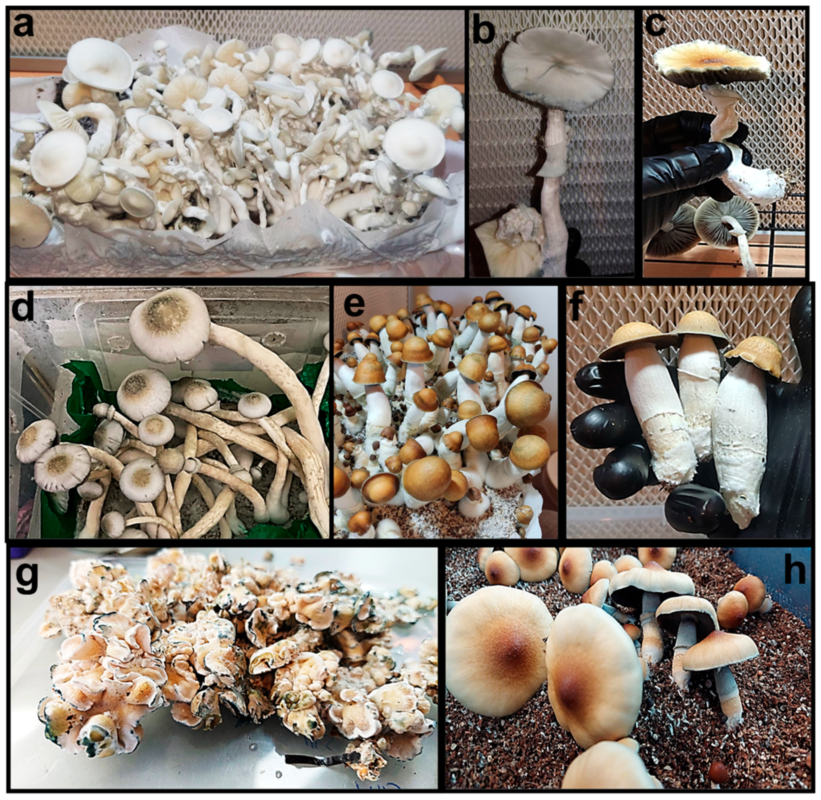
In Canada, “magic mushrooms” usually means mushrooms that contain psilocybin and psilocin, most often discussed under the broad umbrella of psilocybin-containing mushrooms. You will also see strain-style names (for example, “Golden Teacher”), plus products sold as dried mushrooms, gummies, chocolates, teas, and psilocybin capsules.
The key context is this: retail visibility has grown faster than legal access. That gap creates confusion, inconsistent product quality, and a lot of health claims that do not match how clinical research actually uses psychedelic substances.
The same 2025 peer-reviewed Canadian study that mapped storefronts also found most stores function like modern retail: 61.4% were part of a chain, 91.2% had an online presence, and 88.0% of stores with websites offered delivery.
“So what should you do with this information? Treat the retail footprint as a signal to be more cautious, not less.”
- Assume potency varies unless you see batch-specific results (not just a generic “lab tested” claim).
- Separate “therapeutic use” language from actual therapeutic care: most evidence supports psychedelic-assisted therapy or psychedelic-assisted psychotherapy, not casual self-treatment.
- Watch for co-selling: the study found many sites also sold other substances, which often correlates with looser quality control and weaker age and safety checks.
Legal Status of Psilocybin in Canada
Under the Controlled Drugs and Substances Act (CDSA), psilocybin and psilocin are listed as Schedule III substances. That means unauthorized possession, production, trafficking, and import or export can lead to criminal charges.
Health Canada does allow limited legal access, but the routes are narrow and highly controlled. In plain terms, storefronts and “smart shops” do not create a legal grey zone for psilocybin products, even if they operate openly.
Health Canada‘s Special Access Program framework is designed for serious or life-threatening conditions where conventional therapies have failed, are unsuitable, or are unavailable, and it allows qualified practitioners to request access on a case-by-case basis, after regulatory changes that came into force on January 5, 2022.
The Three Legal Pathways Most Canadians Hear About
- Clinical trials: you participate in a study approved by a Research Ethics Board, with controlled dosing, screening, and follow-up.
- Special Access Program (SAP): a qualified healthcare practitioner submits the request, and the decision is discretionary and evidence-based.
- Subsection 56(1) exemptions: granted case by case, typically requiring strong supporting documentation and a clear medical or scientific purpose.
| Pathway | Who Initiates It | What It Usually Requires | What It Is Not |
|---|---|---|---|
| Clinical trials | Research team | Eligibility screening, consent, follow-ups | A way to buy retail products legally |
| Special Access Program | Qualified practitioner | Serious condition, exhausted options, supporting evidence | General access or routine prescribing |
| CDSA s.56(1) exemption | Applicant (often with clinician support) | Detailed rationale and documentation | A shortcut for convenience |
Benefits of Psilocybin Products
Clinical research suggests psilocybin may help certain conditions, especially when paired with structured psychological support. That pairing matters because most reputable trials do not treat psilocybin as a standalone “product,” they treat it as part of a supervised therapeutic process.
For example, a 2023 randomized clinical trial published in JAMA studied a single 25 mg dose of psilocybin administered with psychological support for major depressive disorder, reporting a rapid and sustained antidepressant effect over the trial period.
- Depression (including MDD and treatment-resistant depression): strongest modern evidence base in controlled settings.
- Anxiety and end-of-life distress: promising results in supported therapy contexts.
- Substance use disorders: early-stage evidence, with active research underway.
- Obsessive-compulsive disorder (OCD) and PTSD: investigational, with limited clinical certainty so far.
Retail websites often go further, listing broad “health benefits” for anxiety, depression, PTSD, OCD, ADHD, and more. Use that as a prompt to ask, “Is this a claim based on a supervised clinical model, or is it marketing attached to an unregulated product?”
Types of Magic Mushroom Products
In Canada, the most common product formats are dried mushrooms, capsules, and edibles like chocolates and gummies. Each format changes dose control, onset time, and the risk of taking more than you meant to take.
| Format | Why People Choose It | Common Downside | Best Safety Check |
|---|---|---|---|
| Dried mushrooms | Simple format, fewer added ingredients | Potency varies between mushrooms and batches | Batch-specific potency and contaminant results |
| Capsules | Measured portions, more discreet | Label accuracy is not guaranteed in unregulated markets | Certificate of analysis tied to the batch |
| Chocolates and gummies | Taste and convenience | Brand mimicry and unclear ingredients are common | Clear ingredient list plus lab results for actives |
| Tea and beverages | Gentler taste, familiar ritual | Dosing can be inconsistent depending on preparation | Standardized extract documentation |
If you see products marketed as “psychoactive mushrooms” or “mushroom edibles,” confirm whether they contain psilocybin/psilocin or something else entirely. This matters because “mushroom” can also refer to non-psilocybin products such as fly agaric (Amanita muscaria), which produces different effects and carries different risks.
Dried Mushrooms: A Classic Choice for Experienced Users
Dried mushrooms appear in essentially every retail menu, and the format feels simple. The catch is that potency can swing meaningfully from mushroom to mushroom, even within the same “strain” name.
A 2024 analytical chemistry study measuring multiple psilocybe cubensis strains using LC-MS/MS found average total psilocybin and psilocin concentrations ranging from 0.879% to 1.36% (w/w) across the strains tested, and it also measured differences between individual mushrooms within the same strain.
- Actionable takeaway: if a seller cannot show batch-specific potency, treat dosing as uncertain.
- Avoid DIY foraging: misidentifying a toadstool can cause serious poisoning, and it is not a realistic “quality control” strategy.
- Store properly: keep dried mushrooms sealed, cool, and away from moisture to reduce mould risk.
Even with prior experience, bad trips can happen, and physical effects like nausea, increased heart rate, and increased blood pressure are possible.
Edibles: Convenient and Palatable Options
Edibles mask the earthy taste and can feel more approachable. In Canada’s current retail landscape, they are also extremely common: the Canadian dispensary mapping study found 91.3% of stores sold psilocybin chocolate and 93.4% sold gummies, and 65.2% sold products that mimicked popular mass-market food brands.
- Delayed onset risk: edibles often kick in more slowly, which makes “stacking” a second dose more likely.
- Ingredient uncertainty: chocolate, gummies, and fillers add more variables for sensitivities and allergens.
- Brand mimicry: packaging that imitates famous candy brands is a red flag for ethics, safety, and child risk.
- Label claims: look for a batch number and a matching lab report, not just a potency promise on the wrapper.
If you are seeking therapeutic use of psilocybin, edibles are rarely the format used in formal clinical testing. In trials, teams focus on controlled dosing, screening, and psychological support, which is the heart of psychedelic-assisted psychotherapy.
Capsules: Precise Dosing for Beginners and Medical Users
Capsules appeal to people who want measured portions and a more consistent routine. In the Canadian retail study, 97.8% of stores sold microdosing capsules, which tells you how central microdosing has become to marketing.
The evidence is less impressive than the hype. A 2022 double-blind, placebo-controlled study of people planning to microdose with psilocybin mushrooms found little evidence of improved well-being, creativity, or cognition, and a 2021 placebo-controlled self-blinding study concluded expectancy effects could explain many reported benefits.
On the other hand, legitimate clinical research keeps moving. In an October 2025 update, Kingston Health Sciences Centre Research Institute announced recruitment for a Health Canada approved clinical trial studying at-home micro-dose psilocybin for anxiety.
- Actionable takeaway: treat capsule microdosing claims as unproven unless you see real clinical context and follow-up.
- If you have mental health disorders such as bipolar disorder or a history of psychotic disorders, do not self-direct use. Screening is a major part of clinical testing for a reason.
Top Rated Magic Mushroom Products in Canada
Because psilocybin is a controlled substance in Canada, “top rated” should mean something more practical than flavour or strain mythology. A safer approach is to rate formats by what reduces risk: dose transparency, contaminant screening, and whether the use is connected to a legitimate therapeutic model.
| What You’re Comparing | Dose Control | Ingredient Transparency | Common Risk | Best Use Case |
|---|---|---|---|---|
| Dried mushrooms | Low to medium | Medium (if tested) | Potency variability | Education-focused discussion, not self-treatment |
| Capsules | Medium | Medium (if tested) | Label inaccuracy | Research contexts, measured protocols |
| Chocolates and gummies | Low to medium | Low to medium | Ingredient uncertainty, delayed onset | Avoid for “precision” goals |
| Clinical-grade psilocybin in trials | High | High | Still has acute side effects | Therapeutic use with screening and support |
If a seller cannot answer basic questions about testing, batch numbers, and ingredients, that is a “rating” by itself.
Popular Beginner Strain
Golden Teacher is usually presented as a psilocybe cubensis strain with a “moderate” profile. The practical issue is that strain names in the consumer market are not a regulated standard, and they do not guarantee consistent psilocybin content.
If you see Golden Teacher used to justify a specific effect profile, treat it as a story, not a spec sheet. In clinical care, teams rely on controlled dosing and screening, not strain branding.
High Potency — Experienced Only
“Blue Meanies” is one of the most confusing labels in the mushroom world. People use it to describe (1) a psilocybe cubensis strain name and (2) a different species often called Panaeolus cyanescens. Those are not interchangeable, and the potency expectations can change sharply depending on which one you are actually dealing with.
A 2024 LC-MS/MS potency paper testing multiple Psilocybe cubensis strains reported the “Blue Meanie” strain averaged 1.221% (w/w) total psilocybin and psilocin in its sample set, which illustrates why “high potency” claims are not just marketing language, they can reflect measurable differences.
Discreet — Use Caution
Psilocybin chocolates are popular because they are convenient and discreet. They are also a format where branding tricks and ingredient uncertainty show up fast.
In Canada’s dispensary landscape study, 91.3% of stores sold psilocybin chocolate, and many stores sold products that mimicked mass-market candy brands. That combination creates predictable safety issues, especially around child access and misleading packaging.
Also, “mushroom chocolate” does not always mean psilocybin. Some products use other psychoactive compounds, including those associated with amanita muscaria (fly agaric), which is not the same experience and can carry different risks.
Best Dispensaries for Magic Mushrooms in Canada
In a strict legal sense, the “best” option for psilocybin in Canada is the one that keeps you inside the law and inside a medical framework when you are pursuing therapeutic uses. That typically means clinical trials, approved research settings, or practitioner-led pathways like the Special Access Program.
If you still encounter storefronts or online sellers, use the section below as a safety and compliance checklist, not as an endorsement to purchase controlled substances outside legal routes.
- Best for legality: ask a qualified healthcare practitioner about clinical trials and the SAP pathway.
- Best for evidence-based therapeutic use: programs that include screening, preparation, and integration, not just products.
- Best for risk reduction: avoid mixed-substance menus and vendors that cannot produce batch-specific testing.
Zoomers Dispensary: A Visible Example of the Retail Trend
Zoomers Dispensary is often mentioned in discussions about Vancouver storefronts. It is a useful example of how retail-style operations present themselves as “medical” or “therapeutic,” even though psilocybin remains a controlled substance under the CDSA outside limited legal pathways.
As of February 2026, Zoomers publicly lists daily customer support availability and an age minimum of 19+ for membership-style access, which mirrors the age-gate style used by many websites but does not change the underlying federal legal status of psilocybin.
- What to ask any storefront: “Are you licensed or authorized by Health Canada for this specific activity?”
- What to ask about quality: “Can you show a batch-specific certificate of analysis that includes potency and contaminant screening?”
- What to ask about health claims: “Are your claims tied to clinical trials that include psychological support and follow-up?”
Online Dispensaries: Convenient Access to Quality Products
Online ordering is a major driver of access. The Canadian mapping study found 91.2% of storefronts had an online presence, and 88.0% of stores with websites offered delivery. Less than half used any age-gate step, and those age checks typically relied on a simple checkbox rather than ID verification.
- Clear harm warnings, contraindications, and a realistic discussion of bad trips and mental health risks
- Batch-specific lab reports with dates matching the product
- Transparent ingredient lists and dosing information
- Realistic therapeutic language tied to clinical evidence
- No batch number, no lab report, or a lab report with no date or no match to the product
- “Miracle cure” claims for depression, anxiety, PTSD, or substance use without mentioning screening and psychotherapy
- Mixed menus that push multiple controlled substances at once
- No age-gate or only a simple checkbox verification
Factors to Consider When Buying Magic Mushrooms
If you are evaluating anything marketed as magic mushrooms in Canada, focus on the factors that reduce harm. The retail study found only 9.1% of sites displayed independent lab results, so you should assume missing information is the norm.
- Identity: confirm the product actually contains psilocybin (not just “mushroom extract”).
- Potency transparency: look for mg per unit and mg per gram, tied to a batch.
- Contaminant screening: microbes, mould, heavy metals, and pesticides matter.
- Truthful marketing: be skeptical of sweeping health benefits, especially for mental illness.
- Legal risk: understand that storefront visibility does not equal legality under controlled drugs rules.
Product Quality and Purity
Quality problems are not just about “weak” products. In an unregulated market, you also have to worry about contamination, mislabelling, and unsupported medical claims aimed at vulnerable people seeking relief for mental health issues.
In Canada, advertising of unauthorized drugs accessed through programs like the SAP is prohibited, and Health Canada has also highlighted that clinical trials remain the best route for generating reliable evidence on safety and efficacy.
- Prefer batch-specific results: a real report should identify the batch and show numbers, not slogans.
- Look for clear risk warnings: nausea, anxiety, paranoia, and cardiovascular changes deserve plain-language mentions.
- Avoid “guaranteed” outcomes: therapeutic use is not guaranteed, even in clinical settings.
Reliable Sourcing and Lab Testing
“Third-party lab tested” only helps if the report exists, matches the batch, and covers the right risks. For psilocybin products, useful testing goes beyond potency and includes screening that lowers the risk of illness or unexpected reactions.
| Test Category | What It Helps You Confirm | Why It Matters |
|---|---|---|
| Potency (psilocybin and psilocin) | How strong the material is | Supports predictable dosing and reduces surprise intensity |
| Microbial and mould screening | Whether the product is contaminated | Reduces risk of illness, especially for vulnerable people |
| Heavy metals | Lead, arsenic, cadmium, mercury screening | Helps assess exposure risk over time |
| Pesticides | Residues from cultivation | Reduces avoidable toxic exposure |
If a vendor claims testing but will not provide a certificate of analysis, treat that as “not tested” from a decision standpoint.
How to Use Magic Mushrooms Safely
If you choose to use hallucinogenic mushrooms, treat safety as the main point, not an afterthought. Harm reduction cannot make an illegal substance legal, but it can reduce the chance of a medical emergency.
- Start with legality:psilocybin remains tightly regulated under Health Canada and the CDSA. If your goal is therapeutic use, prioritize clinical trials, SAP pathways through a practitioner, or legitimate exemptions.
- Plan for timing:oral effects often begin within about 20 to 60 minutes and commonly last several hours. Avoid “stacking” doses because you feel nothing early on.
- Use a sober sitter:choose someone you trust who can support you through panic attacks, confusion, or a bad trip, and who can call for medical help if needed.
- Do not mix substances:combining psychedelics with alcohol, cannabis, stimulants, or other illicit drugs increases unpredictability and can worsen anxiety and impaired judgment.
- Respect medications and mental health:if you take psychiatric medications (including SNRIs) or you have a history of psychotic disorders, bipolar disorder, or severe anxiety, do not self-direct use. Speak with a qualified clinician.
- Make driving a hard “no”:a Government of Canada impaired driving summary notes that having any detectable amount of psilocybin or psilocin in your system within two hours of driving is prohibited.
- Build a recovery window:plan a low-demand day and a calm next morning, especially if you are using for mental health reasons.
Potential Risks and Side Effects of Psilocybin
Psilocybin can cause anxiety, nausea, dizziness, confusion, and perceptual changes. Some people experience paranoia, panic, or a bad trip, especially in stressful settings or at higher intensity than expected.
Physical effects can include increased heart rate and increased blood pressure. If you have cardiac conditions, you should treat this as a serious risk factor, not a minor footnote.
| Risk | What It Can Look Like | What to Do |
|---|---|---|
| Acute anxiety or panic attacks | Racing thoughts, fear, agitation | Reduce stimulation, use calm reassurance, seek medical help if severe |
| Cardiovascular stress | Palpitations, high blood pressure symptoms | Avoid if you have heart issues, get medical support if symptoms escalate |
| Psychological destabilization | Paranoia, worsening mood, sleep disruption | Avoid if you have psychotic disorders or unstable mood, prioritize clinical care |
| Contaminants or mislabelling | Unexpected effects, GI symptoms, allergic reactions | Do not assume “natural,” avoid products without credible testing |
Tolerance can build quickly with frequent use, and repeated dosing can push people toward higher amounts than they planned. If your use pattern is escalating, treat that as a sign to pause and reassess.
Therapeutic Uses of Magic Mushrooms
When people talk about “therapeutic uses,” they often miss the operational details that make clinical work different. Most clinical models involve screening, preparation sessions, a monitored dosing day, and integration sessions after the experience. That is the practical foundation of drug-assisted psychotherapy models that use psychedelic substances.
Canada has active research in this space. For example, CAMH has posted Canadian research activity studying psilocybin’s effects in older adults with mild cognitive impairment, involving multiple visits and monitored treatment sessions over several months.
If your interest is truly medical, the best next step is to look for legitimate clinical trials recruiting in your province, then discuss suitability with a qualified healthcare practitioner. This approach aligns with controlled drugs requirements and gives you real screening and follow-up.
Best FitEvidence-based access
Enrolment in clinical trials with defined inclusion and exclusion criteria. Provides controlled dosing, screening, and follow-up.
Urgent CasesPractitioner-led pathway
Best fit for serious or life-threatening conditions where conventional options have failed. Submitted by a qualified practitioner.
Long-termSafety-focused
Programs that include integration support, not just the dosing day. Essential for sustained therapeutic benefit.
Highest RiskNot recommended
No screening, no controlled dosing, no follow-up. Carries the highest risk of adverse outcomes and legal consequences.
Conclusion
This guide to magic mushrooms in Canada is built around what matters in real life: legal status, product variability, and the safety gap between retail claims and clinical practice.
Health Canada rules and the Controlled Drugs and Substances Act shape access, and the safest therapeutic pathway still runs through clinical trials, SAP requests by qualified practitioners, or specific exemptions.
If you choose to engage with psilocybin mushrooms outside a research setting, prioritize risk reduction: avoid mixing substances, plan for a bad trip, and do not drive.
Frequently Asked Questions
Are magic mushrooms legal in Canada?
Most magic mushrooms are illegal under the Controlled Drugs and Substances Act (CDSA). Health Canada permits some clinical trials, but general sale, possession and distribution remain illegal substances.
What product forms can I find, dried mushrooms or capsules?
You can see dried mushrooms, psilocybin capsules, and magic truffles in discussions, though most are not legal for sale. Some sellers also list psilocybin mushroom species and other psychoactive mushrooms.
Do these products help mental health disorders, like OCD or MDD?
Psychedelic research and clinical trials show promise for obsessive-compulsive disorder, MDD and other mental health conditions, but the evidence is still emerging. Patients should use approved trials or medical programmes, not unregulated products.
What are the main risks I should know about?
Bad trips can cause severe anxiety and lasting mental health problems, and psilocybin can raise increased heart rate and increased blood pressure. People with substance use disorders or a history of psychosis face higher risk.
Can I mix them with other drugs, like stimulants or medical marijuana?
Do not mix with stimulants, amphetamines, or other psychotropics, the interactions can be unsafe and unpredictable. Mixing may raise blood pressure and heart rate, and worsen mental health issues.
How do international laws affect Canadian users and efforts to decriminalise psilocybin?
International rules like the United Nations Convention on Psychotropic Substances and other acts, such as the Controlled Substances Act and the Comprehensive Drug Abuse Prevention and Control Act, shape national schedules and policy. Some places move to decriminalise psilocybin, but legality of psilocybin mushrooms in Canada still depends on Health Canada rules and the CDSA.
