
 Français
About Mushrooms, Magic Mushrooms in Canada – Basics and Guides - Shrooms Delivery Canada
Magic mushrooms in Canada
Sep
Buy Magic mushrooms in Canada
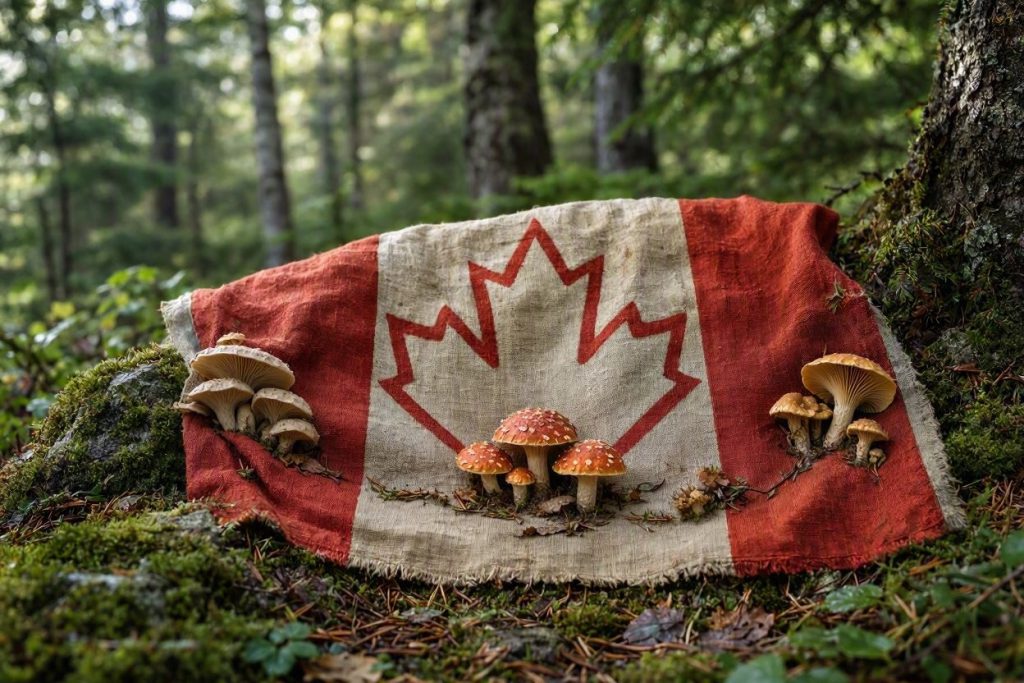
Magic mushrooms in Canada refers to the use, regulation, research, and cultural history of psychoactive mushrooms containing psilocybin and psilocin in Canada. The term “magic mushrooms” generally refers to mushroom species containing these naturally occurring psychedelic compounds.
In Canada, psilocybin and psilocin are controlled substances. Under the Controlled Drugs and Substances Act (CDSA), the possession, production, and sale of magic mushrooms, as well as activities involving psilocybin and psilocin, are generally prohibited unless specifically authorized under Canadian law. Health Canada also regulates psilocybin as a restricted drug under the Food and Drug Regulations.
Interest in psilocybin has increased in Canada in connection with psychedelic research and potential therapeutic applications. Health Canada states that there are currently no approved therapeutic products containing psilocybin in Canada, although clinical research has investigated its potential use in conditions including depression, anxiety, obsessive-compulsive disorder and problematic substance use.
History and terminology
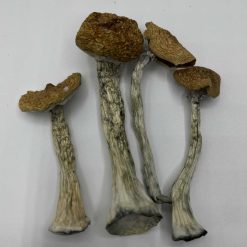
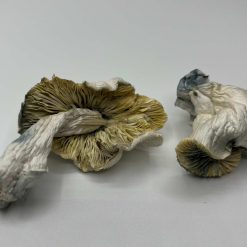
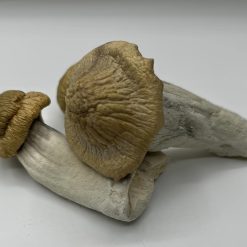
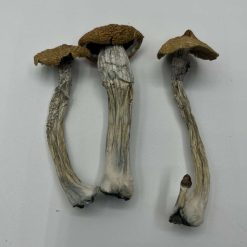
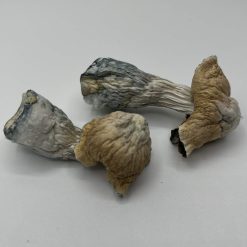
“Magic mushrooms” is a common term for mushrooms containing psychedelic compounds, principally psilocybin and psilocin. Health Canada notes that these mushrooms have been used for thousands of years and that more than 200 species are considered to contain psychedelic compounds. The appearance and chemical concentration of mushrooms can vary considerably between species and individual specimens.
Psilocybin is a prodrug that is converted in the body into psilocin, which is primarily responsible for the psychedelic effects associated with psilocybin-containing mushrooms.
Legal status
Controlled substances
Psilocybin and psilocin are controlled under the Controlled Drugs and Substances Act. Health Canada states that activities involving magic mushrooms, psilocybin and psilocin—including possession, production and sale—are illegal unless authorized through a licence, exemption or applicable regulatory provision.
Psilocybin is also regulated as a restricted drug under Part J of the Food and Drug Regulations. Health Canada describes restricted drugs as substances that are subject to additional regulatory controls and states that psilocybin has no approved therapeutic use in Canada.
Buy Dry Mushrooms
Buy Dry Mushrooms
Buy Dry Mushrooms
Buy Dry Mushrooms
Buy Dry Mushrooms
Buy Dry Mushrooms
Buy Dry Mushrooms
Buy Dry Mushrooms
Consequently, the legal status of magic mushrooms differs from that of cannabis. Canada did not legalize psilocybin-containing mushrooms for general adult possession, production or retail sale when cannabis was legalized in 2018.
Authorized activities
Canadian law provides limited mechanisms through which psilocybin may be legally accessed or used for scientific or medical purposes. Health Canada identifies three principal pathways for therapeutic access:
- participation in an authorized clinical trial;
- access through the Special Access Program; and
- an individual exemption under subsection 56(1) of the Controlled Drugs and Substances Act.
These mechanisms do not constitute general legalization of psilocybin or magic mushrooms.
Therapeutic research
Psilocybin has been investigated for potential therapeutic applications in psychiatry and addiction medicine. Research has examined its possible use in conditions including depression, anxiety disorders, obsessive-compulsive disorder and problematic substance use. Health Canada describes some early clinical findings as promising but states that the evidence remains limited and that psilocybin products have not undergone the regulatory review required for approval as therapeutic products in Canada.
Health Canada considers clinical trials to be an important mechanism for generating evidence concerning the safety and efficacy of psilocybin. Authorized clinical trials operate under regulatory and research-ethics requirements, including controls concerning the quality of drugs administered to participants.
Special Access Program
Canada’s Special Access Program (SAP) permits regulated health-care practitioners to request access to certain drugs that are not authorized for sale in Canada for patients with serious or life-threatening conditions when conventional treatments have failed, are unsuitable or are unavailable.
Health Canada states that the ability to request restricted drugs such as psilocybin through the Special Access Program was restored in January 2022. Requests are assessed individually and there is no guarantee that a request will be granted. Individuals cannot apply directly; requests must be made by eligible health-care practitioners on behalf of their patients.
Where authorization is granted, additional regulatory provisions govern the possession, sale, transportation and administration of the substance.
Section 56 exemptions
Subsection 56(1) of the Controlled Drugs and Substances Act gives the federal Minister of Health discretionary authority to exempt a person or class of persons, or a controlled substance or precursor, from specified provisions of the Act or its regulations for a scientific or medical purpose, or for a purpose otherwise considered to be in the public interest.
Health Canada states that applications involving psilocybin are considered on a case-by-case basis. Factors can include the availability of clinical trials or other regulatory pathways, the medical condition involved, scientific evidence, consideration of conventional therapies, support from a health-care practitioner, and public-health and public-safety considerations.
Such exemptions are not equivalent to general legalization.
Effects
Psilocybin-containing mushrooms can produce psychedelic effects, including alterations in perception, sensory processing, mood and the perception of time. Health Canada reports that effects generally begin approximately 15 to 45 minutes after consumption and commonly last between four and six hours, although effects vary according to the individual, mushroom species and amount of active compound consumed.
Possible short-term effects include hallucinations, altered perception of reality, changes in mood, anxiety, panic, confusion, paranoia, increased heart rate and blood pressure, nausea, vomiting, sweating and muscle twitching.
A particularly distressing psychedelic experience is commonly referred to as a “bad trip”. Health Canada notes that such experiences can involve fear, paranoia, loss of boundaries and a distorted sense of self. Impaired judgment during an adverse experience can contribute to accidents and other injuries.
Health risks
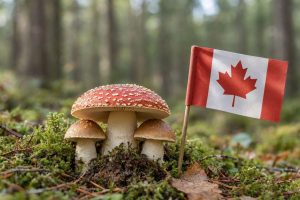
The effects of psilocybin can vary substantially between mushrooms because concentrations of active compounds are not necessarily uniform. Health Canada also warns that mushrooms that resemble psychoactive species can sometimes be poisonous, creating an additional risk when mushrooms are collected or identified incorrectly.
Health Canada reports that combining magic mushrooms with substances such as cannabis, amphetamines or alcohol can increase the risk of adverse effects. It also notes that people with certain psychiatric conditions may have an increased risk of adverse effects and that increased heart rate and blood pressure may pose risks for people with cardiac disease.
As of the Health Canada information cited here, there is limited evidence concerning physical or psychological dependence, although tolerance can develop with repeated use over a short period. Health Canada also states that studies have not established the long-term effects of repetitive magic-mushroom use.
Illegal market
Despite the legal restrictions, magic mushrooms and products containing psilocybin have been sold outside Canada’s authorized regulatory system. Health Canada reports that illegally produced psilocybin products may be sold as dried mushrooms, powders, tablets or capsules and may not have been tested for their contents or purity.
The existence of an illegal market does not confer legal status on the possession or sale of psilocybin-containing mushrooms.
Regulation and enforcement
The federal government regulates controlled substances through legislation including the Controlled Drugs and Substances Act and the Food and Drugs Act and its associated regulations. Health Canada administers licensing and exemption mechanisms concerning controlled substances and oversees regulatory requirements applicable to authorized activities.
Organizations conducting activities involving controlled substances may require authorization from Health Canada. For example, Health Canada states that organizations conducting clinical research involving psilocybin require the appropriate licences, authorizations or exemptions.
Public debate and decriminalization
The legal status of psilocybin has been the subject of public discussion in Canada, particularly in connection with psychedelic research, therapeutic access and broader debates concerning drug policy.
Decriminalization and legalization are distinct concepts. Decriminalization generally refers to removing or reducing criminal penalties for specified conduct while leaving the underlying regulatory prohibition substantially intact. Legalization, by contrast, involves establishing a lawful framework under which specified activities may be permitted.
The existence of clinical trials, Special Access Program requests or individual exemptions should therefore not be interpreted as general legalization of magic mushrooms in Canada.
See also
- Psilocybin
- Psilocin
- Psychedelic medicine
- Psychedelic therapy
- Drug policy of Canada
- Controlled Drugs and Substances Act
- Health Canada
- Cannabis in Canada
Buy Dry Mushrooms
Buy Dry Mushrooms
Buy Dry Mushrooms
Buy Dry Mushrooms
Buy Dry Mushrooms
Buy Dry Mushrooms
Buy Dry Mushrooms
Buy Dry Mushrooms
References
- Health Canada. “Psilocybin and psilocin (Magic mushrooms).” Government of Canada.
- Health Canada. “Controlled substance licence restrictions: Licences for controlled substances.” Government of Canada.
- Health Canada. “Exemptions from provisions of the Controlled Drugs and Substances Act.” Government of Canada.
- Health Canada. “Subsection 56(1) class exemption for participants enrolled in an authorized clinical trial involving at-home administration of MDMA or psilocybin.” Government of Canada.
- Health Canada. “Subsection 56(1) class exemption for practitioners, agents, pharmacists, persons in charge of a hospital, hospital employees, and licensed dealers to conduct activities with psilocybin and MDMA in relation to a special access program authorization.” Government of Canada.
