
 Français
What Is Psilocybin? Science, Chemistry, History, and How It Relates to Magic Mushrooms
What is Psilocybin is a naturally occurring psychedelic compound produced by certain fungi. It is best known as one of the principal psychoactive compounds found in what are commonly called “magic mushrooms.”
Although psilocybin and magic mushrooms are often discussed as though they are the same thing, they are not.
Psilocybin is a chemical compound.
Magic mushrooms are fungi that can contain psilocybin and related compounds.
That distinction is important for understanding the science, pharmacology, taxonomy, safety, and regulation surrounding psilocybin.
When psilocybin enters the body, it is converted into psilocin, a pharmacologically active compound that interacts with serotonin receptors in the brain. Research has particularly focused on the serotonin 5-HT2A receptor, which is strongly associated with the psychedelic effects of psilocin.
Psilocybin is now being studied extensively in neuroscience, psychiatry, and clinical research. Researchers are investigating its potential therapeutic applications as well as its pharmacology, safety, long-term effects, and mechanisms of action.
At the same time, psilocybin remains a controlled substance in Canada, and activities involving psilocybin are subject to the applicable requirements of Canadian law.
Important: This article is an educational resource. It does not provide individualized medical, pharmaceutical or legal advice, and it does not provide instructions for obtaining, preparing or using controlled substances.


Buy Psilocybin Microdose
Buy Psilocybin Microdose
Buy Psilocybin Microdose
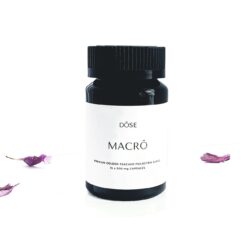
Dose MACRO Macrodose Psilocybin Capsules (15 or 30 Capsules)
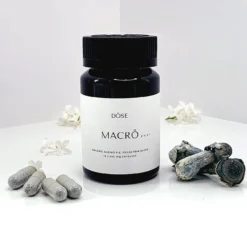
Buy Psilocybin Microdose
Microdose Shrooms For Sale
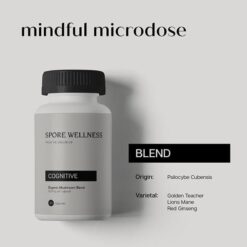
Spore Wellness Microdosing Mushroom Capsules – The Micro Bundle (Cognitive, Energy, & Immune)
Quick answer: What is psilocybin?
Psilocybin is a naturally occurring tryptamine compound with psychedelic properties that is produced by certain fungi.
Chemically, psilocybin is commonly identified as 4-phosphoryloxy-N, N-dimethyltryptamine.
After administration, psilocybin is rapidly converted into psilocin, which is pharmacologically active and crosses into the central nervous system.
Psilocin interacts with several serotonin receptor subtypes, with activity at the 5-HT2A receptor playing a central role in the psychedelic effects associated with psilocybin.
Psilocybin is therefore best understood as a psychoactive chemical produced by certain fungi, rather than as a type of mushroom itself.
Psilocybin is a chemical compound, not a mushroom
One of the most common sources of confusion is the interchangeable use of the words:
These terms describe related but different things.
Psilocybin
A naturally occurring psychedelic compound.
Psilocin
The principal pharmacologically active metabolite produced when the body converts psilocybin.
Psilocybin-containing mushrooms
Fungi capable of producing psilocybin and, depending on the species, other tryptamine compounds.
Psilocybe
A fungal genus that includes many species known for producing psilocybin.
“Magic mushrooms”
A common informal term for mushrooms containing psychedelic compounds, particularly psilocybin and psilocin.
Health Canada uses “magic mushrooms” to refer to mushrooms containing hallucinogens, usually psilocybin and psilocin.
The terminology becomes particularly important when discussing scientific research because researchers may be studying purified psilocybin, a standardized formulation, or whole mushrooms. These are not necessarily interchangeable research materials.
What type of chemical is psilocybin?
Psilocybin belongs to the tryptamine family of compounds.
Tryptamines are a broad class of chemical compounds structurally related to the neurotransmitter serotonin and to the amino acid tryptophan.
Psilocybin has the molecular formula:
C₁₂H₁₇N₂O₄P
Its chemical structure contains an indole ring system characteristic of tryptamine-related compounds, along with a phosphoryloxy group.
The presence of this phosphate-containing group contributes to an important pharmacological characteristic: psilocybin itself is converted into psilocin in the body.
The active metabolite, psilocin, has the molecular formula:
C₁₂H₁₆N₂O
and is chemically known as 4-hydroxy-N,N-dimethyltryptamine.
These structural differences are small at the molecular level but highly important to the way the compounds behave biologically.
Psilocybin vs. psilocin
Psilocybin and psilocin are closely related, but they are not the same compound.
A simplified representation is:
Psilocybin → metabolism → Psilocin → interaction with serotonin receptors
Psilocybin is commonly described as a prodrug because its conversion to psilocin is an important part of its pharmacological activity.
Research examining human pharmacokinetics has consistently focused on psilocin because it is the principal active metabolite responsible for much of the observed psychedelic pharmacology.
Why the distinction matters
When a scientific paper says that participants received psilocybin, it does not mean that psilocybin itself remains the only relevant compound in the body.
Researchers may instead measure:
- psilocybin
- psilocin
- psilocin metabolites
- blood concentrations
- pharmacokinetic parameters
- subjective effects
Understanding this distinction helps prevent a common misunderstanding in popular psychedelic literature.
Psilocybin is the administered compound in many studies; psilocin is a key active metabolite produced by the body.
Related: [Psilocybin vs. Psilocin: What’s the Difference?]
How does psilocybin occur in nature?
Psilocybin is produced naturally by certain fungi.
The best-known group is the genus Psilocybe, although psilocybin and related compounds have also been documented in other fungal genera.
Scientific reviews have reported psilocybin-containing species within genera including:
- Psilocybe
- Panaeolus
- Pluteus
- Gymnopilus
The distribution of these compounds across fungi is a subject of ongoing mycological and evolutionary research.
This means that the phrase “psilocybin mushroom” should not automatically be treated as a formal taxonomic classification.
It is better understood as a descriptive term for fungi that contain psilocybin.
What is Psilocybe?
Psilocybe is a genus of fungi.
It is not another name for psilocybin.
The genus contains numerous species, and modern genetic research has demonstrated that its taxonomy and evolutionary history are more complicated than older classifications suggested.
A recent phylogenomic study examined thousands of genetic markers and substantially improved understanding of relationships within Psilocybe. The researchers noted that the genus contains roughly 165 described species and that the evolutionary history of psilocybin biosynthesis is more complex than previously understood.
This is one reason Canada Shroom Store’s future mushroom-science content should distinguish carefully between:
chemical identity → fungal genus → species → informal strain names
Those categories are not interchangeable.
Are all Psilocybe mushrooms the same?
No.
Species within Psilocybe can differ in:
- genetics
- morphology
- geographic distribution
- ecological niche
- chemical composition
- concentration of psychoactive compounds
- other secondary metabolites
Even scientific knowledge of the chemistry and taxonomy of these fungi remains incomplete.
A DNA-authentication and chemical-analysis study of Psilocybe specimens found widespread problems with historical specimen identification and reported variability in psilocybin and psilocin measurements.
This is an important scientific point:
A mushroom’s name alone does not necessarily provide a complete description of its chemical composition.
Psilocybin-containing mushrooms are biologically complex
It is tempting to describe a psychedelic mushroom simply as:
“a mushroom containing psilocybin.”
Scientifically, that is incomplete.
Fungi can contain numerous compounds, including different tryptamines and other secondary metabolites.
Research has identified compounds such as:
- psilocybin
- psilocin
- baeocystin
- norbaeocystin
- other tryptamine-related compounds
The relative importance of these compounds to the overall biological and subjective effects of mushrooms remains an area of scientific investigation.
This is one reason controlled clinical research generally uses characterized and standardized materials rather than assuming that every mushroom preparation has an identical chemical profile.
How does the body process psilocybin?
After administration, psilocybin undergoes enzymatic dephosphorylation and is converted into psilocin.
This process is a major component of its pharmacokinetics.
Psilocin then enters systemic circulation and can reach the central nervous system.
Research into psilocybin pharmacokinetics has examined:
- absorption
- conversion to psilocin
- plasma concentrations
- distribution
- metabolism
- elimination
- individual variability
A recent systematic review of psilocybin pharmacokinetics identified 14 eligible studies and found substantial variation in the available pharmacokinetic data.
Another systematic analysis of human clinical pharmacokinetic data identified 12 unique clinical datasets from 19 publications.
This research is important because understanding pharmacokinetics helps scientists interpret both therapeutic effects and adverse events.
A deeper explanation of pharmacokinetics and metabolism will be covered in the dedicated Psilocybin Pharmacology article in this cluster.
How does psilocybin affect the brain?
Psilocybin’s effects on the brain are primarily associated with its active metabolite, psilocin.
Psilocin interacts with multiple serotonin receptor subtypes.
The 5-HT2A receptor has received particular attention because its activation is strongly associated with psychedelic effects.
However, scientists do not consider 5-HT2A activity to be the entire explanation for everything associated with psilocybin.
Researchers are also investigating:
- other serotonin receptors
- intracellular signaling
- brain-network changes
- cortical activity
- emotional processing
- neuroplasticity
- interactions between molecular and psychological processes
Recent reviews emphasize that the mechanisms underlying psilocybin’s longer-lasting effects remain incompletely understood.
Related: [How Does Psilocybin Work?]
Psilocybin and serotonin
Psilocybin is often described as a “serotonergic psychedelic.”
This means that its pharmacological effects are closely associated with the serotonin system.
Serotonin, also known as 5-hydroxytryptamine (5-HT), is a neurotransmitter involved in numerous physiological and neurological processes.
The relationship between psilocin and serotonin is particularly important because psilocin can interact with serotonin receptors in ways that alter signaling within neural circuits.
The 5-HT2A receptor is considered one of the principal pharmacological targets associated with psychedelic effects.
However, saying that psilocybin “increases serotonin” is an oversimplification.
Psilocybin is not simply a serotonin supplement or a straightforward serotonin-boosting compound.
Its effects involve receptor-level signaling and broader changes in neural activity.
When was psilocybin discovered?
The modern scientific history of psilocybin is closely associated with Swiss chemist Albert Hofmann and research into psychoactive mushrooms from Mexico.
In the late 1950s, Hofmann and colleagues isolated the active compounds from Psilocybe mexicana and identified psilocybin and psilocin.
The structure and synthesis of psilocybin were subsequently reported in 1958.
The compound then became an important research tool in early psychopharmacology.
Sandoz subsequently distributed psilocybin for scientific and clinical research under the name Indocybin.
The rapid development of psychedelic research during the mid-20th century was later disrupted by increasing legal restrictions, contributing to a prolonged reduction in scientific research.
Interest began to increase again decades later as modern clinical and neuroscience research developed new methods for studying psychedelic compounds.
Psilocybin and Indigenous mushroom traditions
The history of psychedelic mushrooms predates modern laboratory research by centuries.
Ethnographic and historical literature documents traditional use of psychoactive mushrooms in parts of Mesoamerica.
Modern scientific work has increasingly recognized the importance of understanding the cultural history of these fungi alongside their chemistry and biology.
A review of psilocybin-containing fungi describes their long history as healing and ceremonial entheogens and discusses their diversity, biology and ethnomycological context.
This history should not be reduced to the claim that ancient traditions “proved” modern therapeutic effectiveness.
Traditional knowledge and modern clinical evidence are different forms of knowledge.
Both can be historically important without being scientifically interchangeable.
Why did psilocybin research decline?
Psilocybin research expanded rapidly during the middle of the twentieth century.
Researchers investigated psychedelic compounds in areas including:
- psychiatry
- psychology
- consciousness research
- psychopharmacology
Regulatory restrictions later made psychedelic research considerably more difficult.
This contributed to a long period in which relatively little modern clinical research was conducted compared with other areas of pharmacology.
The contemporary resurgence of psychedelic research has therefore involved both new clinical trials and efforts to answer questions that remained unresolved from earlier research.
The renewed research environment has also benefited from advances in:
- neuroimaging
- molecular pharmacology
- clinical-trial methodology
- analytical chemistry
- genetics
- computational biology
Dmt For Sale
Dmt For Sale

Dmt For Sale
Why is psilocybin being studied today?
Modern interest in psilocybin comes from several overlapping areas of research.
Neuroscience
Researchers can now use sophisticated imaging and molecular techniques to investigate how psychedelics affect the brain.
Psychiatry
Clinical trials are investigating psilocybin-assisted interventions for several psychiatric conditions.
Pharmacology
Researchers are studying receptor interactions, metabolism, pharmacokinetics and potential therapeutic mechanisms.
Mycology
Scientists are investigating the genetics, taxonomy, evolution and chemistry of psilocybin-producing fungi.
Drug development
Researchers are exploring how standardized psychedelic compounds might be developed and evaluated within conventional pharmaceutical research frameworks.
Health Canada currently describes psilocybin as an unapproved drug and identifies clinical trials as an important way of advancing research while protecting participants.
Is psilocybin a medication?
Not in the sense of being an approved therapeutic drug in Canada.
Health Canada currently states that there are no approved therapeutic products containing psilocybin in Canada or elsewhere.
This distinction matters.
A substance can be:
- scientifically promising
- investigated in clinical trials
- administered in controlled research
- the subject of medical research
without being an approved medication.
Clinical research is intended to determine whether a treatment is sufficiently safe, effective and consistent to support regulatory authorization.
Is psilocybin the same as magic mushrooms?
No.
The terms describe different levels of the biological system.
| Term | Meaning |
|---|---|
| Psilocybin | A naturally occurring psychedelic chemical compound |
| Psilocin | The principal active metabolite of psilocybin |
| Psilocybe | A genus of fungi |
| Psilocybin-containing mushroom | A mushroom that produces psilocybin |
| Magic mushrooms | Informal term for mushrooms containing psychedelic compounds |
Health Canada identifies psilocybin and psilocin as the principal active ingredients associated with “magic mushrooms.”
Is psilocybin found only in Psilocybe mushrooms?
No.
Although Psilocybe is the best-known genus associated with psilocybin, scientific literature has documented psilocybin-containing fungi in several genera.
Research has reported relevant compounds in genera including Psilocybe, Panaeolus, Pluteus and Gymnopilus.
The evolutionary distribution of psilocybin production is itself an active field of research.
Genomic research suggests that the biosynthetic capacity for producing psilocybin has a complex evolutionary history and may have moved between fungal lineages through horizontal gene transfer.
Does every mushroom contain the same amount of psilocybin?
No.
The chemical composition of mushrooms can vary.
Variation can arise from factors including:
- species
- genetics
- developmental stage
- environmental conditions
- storage
- degradation
- other biological variables
Research examining authenticated Psilocybe specimens has found substantial variability in psilocybin and psilocin measurements and has also highlighted challenges in accurately identifying mushroom specimens.
This variability is one reason scientific studies use carefully characterized materials.
It also illustrates why a mushroom’s common name should not be treated as a precise measurement of its chemistry.
Are mushroom “strains” the same as scientific species?
Not necessarily.
The word strain is commonly used in cultivation and commercial contexts, but it does not always correspond to a formally recognized taxonomic category.
Scientific taxonomy generally deals with:
- genus
- species
- subspecies
- varieties
- other formally defined taxonomic ranks
Commercial or cultivation terminology can use names that describe phenotypic characteristics, lineage, appearance or historical naming conventions without establishing a formally recognized species.
This distinction becomes increasingly important as psychedelic mushroom research becomes more genetically and chemically sophisticated.
Why mushroom identification matters
Correct mushroom identification is an important safety issue.
Some mushrooms can resemble one another despite having very different chemical properties.
Health Canada warns that people can mistakenly consume poisonous mushrooms when they believe they have identified a psychoactive species.
Scientific identification can involve:
- morphology
- microscopy
- chemical analysis
- DNA-based methods
- comparison with authenticated specimens
Modern DNA research has also demonstrated that historical mushroom collections can contain identification errors, highlighting the importance of accurate taxonomy and authenticated reference material.
This is an area where mycology and psychedelic science overlap directly.
Psilocybin, psilocin and other mushroom compounds
Psilocybin and psilocin receive most of the attention, but they are not necessarily the only compounds present in psilocybin-containing fungi.
Researchers have identified other tryptamine-related compounds, including:
- baeocystin
- norbaeocystin
- aeruginascin
- related metabolites
The biological importance of many of these compounds remains incompletely understood.
This is an important distinction when interpreting claims about the so-called “entourage effect” of mushrooms.
The existence of multiple compounds does not automatically establish that they interact in a clinically meaningful way.
That question requires experimental evidence.
Psilocybin and the modern research renaissance
Psilocybin has moved from being primarily a historical subject of psychedelic research to becoming a major contemporary research topic.
Current scientific work spans:
- molecular pharmacology
- neuroscience
- psychiatry
- psychology
- clinical trials
- mycology
- genetics
- analytical chemistry
- drug development
Researchers are particularly interested in whether controlled psilocybin interventions could have therapeutic value for certain psychiatric conditions.
However, the resurgence of research should not be interpreted as proof that every proposed use is established.
The strongest scientific approach is to evaluate each claim according to the quality of evidence supporting it.
What we know about psilocybin
Scientific evidence supports several relatively well-established conclusions.
Psilocybin is a naturally occurring fungal compound.
It is produced by certain species of fungi.
Psilocybin is a tryptamine.
Its chemical structure is related to the broader tryptamine family.
Psilocybin is converted into psilocin.
Psilocin is an important active metabolite.
Psilocin interacts with serotonin receptors.
The 5-HT2A receptor is particularly important to the psychedelic effects.
Psilocybin can substantially alter consciousness.
Research consistently demonstrates changes in perception, cognition and subjective experience.
Psilocybin is being actively studied.
Clinical and preclinical research continues across multiple areas.
Psilocybin remains regulated in Canada.
Health Canada identifies psilocybin and psilocin as controlled substances under Canadian law.
What remains uncertain
There are still substantial unanswered scientific questions.
Researchers continue to investigate:
- exactly how molecular effects translate into subjective experiences
- the mechanisms responsible for longer-lasting psychological effects
- the role of different serotonin receptor subtypes
- possible neuroplasticity mechanisms
- individual differences in response
- long-term safety
- interactions with medications
- predictors of therapeutic response
- the significance of other mushroom metabolites
- differences between purified psilocybin and whole-mushroom preparations
A good scientific resource should make these uncertainties explicit.
Psilocybin in Canada
Psilocybin and psilocin are controlled substances in Canada under the Controlled Drugs and Substances Act.
Health Canada states that activities involving magic mushrooms, psilocybin and psilocin—including possession, production and sale—are illegal unless authorized through an applicable licence, exemption or regulatory framework.
Health Canada also describes regulated pathways involving activities such as:
- clinical research
- clinical trials
- the Special Access Program
- specific exemptions
The exact requirements depend on the activity and applicable authorization.
For that reason, statements such as “psilocybin is legal in Canada” or “psilocybin is illegal everywhere in Canada” are both inadequate without explaining the specific legal context.
Related: [Psilocybin in Canada: Laws, Regulation and Authorized Access]
Buy Psilocybin Microdose
Buy Psilocybin Microdose
Buy Psilocybin Microdose
Dose MACRO Macrodose Psilocybin Capsules (15 or 30 Capsules)
Buy Psilocybin Microdose
Microdose Shrooms For Sale
Spore Wellness Microdosing Mushroom Capsules – The Micro Bundle (Cognitive, Energy, & Immune)
Frequently asked questions
What is psilocybin made from?
Psilocybin is a naturally occurring compound produced biologically by certain fungi. It can also be manufactured synthetically for scientific and pharmaceutical research.
Is psilocybin a natural substance?
Psilocybin occurs naturally in certain fungi. “Natural” does not mean harmless, medically approved or legally unrestricted.
What is psilocybin’s scientific name?
Psilocybin is commonly identified chemically as 4-phosphoryloxy-N,N-dimethyltryptamine.
What is the difference between psilocybin and psilocin?
Psilocybin is converted into psilocin in the body. Psilocin is pharmacologically active and is primarily responsible for the psychedelic effects associated with psilocybin.
Is psilocybin a tryptamine?
Yes. Psilocybin belongs to the tryptamine family of compounds.
What mushrooms contain psilocybin?
Psilocybin occurs in multiple fungal genera, most famously Psilocybe. Scientific literature has also documented psilocybin-containing species in genera including Panaeolus, Pluteus and Gymnopilus.
Is Psilocybe the same thing as psilocybin?
No. Psilocybe is a genus of fungi. Psilocybin is a chemical compound.
Are magic mushrooms and psilocybin the same thing?
No. “Magic mushrooms” is an informal term for fungi containing psychedelic compounds, while psilocybin is one of those compounds.
When was psilocybin first identified?
The modern scientific isolation and identification of psilocybin is associated with Albert Hofmann and colleagues in the late 1950s. The structure and synthesis were reported in 1958.
Is psilocybin an approved medication in Canada?
Health Canada currently states that there are no approved therapeutic products containing psilocybin in Canada.
Is psilocybin legal in Canada?
Its legal status depends on the specific activity and whether an applicable authorization, exemption or regulatory pathway applies. Unauthorized possession, production and sale are prohibited under Canadian law.
Key terminology
For clarity, these terms should not be treated as synonyms:
Psilocybin — A naturally occurring psychedelic tryptamine.
Psilocin — The principal pharmacologically active metabolite of psilocybin.
Psilocybe — A genus of fungi containing numerous species associated with psilocybin production.
Psilocybin-containing fungi — Fungi capable of producing psilocybin and/or related compounds.
Magic mushrooms — An informal term commonly used for psychedelic mushrooms.
Psychedelic — A class of psychoactive substances capable of producing substantial alterations in perception, cognition and subjective experience.
Tryptamine — A broad chemical family that includes psilocybin-related compounds and serotonin.
5-HT2A receptor — A serotonin receptor that plays an important role in the pharmacology of classic serotonergic psychedelics.
Where this page fits in the Psilocybin knowledge hub
This article establishes the basic scientific meaning of psilocybin.
For deeper information, explore:
Psilocybin science
- [How Does Psilocybin Work?]
- [Psilocybin and the Brain]
- [Psilocybin Pharmacology]
- [Psilocybin vs. Psilocin]
Research
- [Psilocybin Clinical Research]
- [Psilocybin and Depression]
- [Psilocybin and Anxiety]
- [Psilocybin and Addiction Research]
- [Psilocybin Research Library]
Safety
- [Psilocybin Risks and Safety]
- [Psilocybin Adverse Effects]
- [Psilocybin and Drug Interactions]
Canada
- [Psilocybin Laws in Canada]
- [Section 56 and Psilocybin]
- [Special Access Program]
- [Psilocybin Clinical Trials in Canada]
- [Canadian Psilocybin Regulatory Timeline]
Scientific and editorial information
Author: Dr. Daniel Myran
Scientific review: Qualified scientific/clinical reviewer
Regulatory review: Required for Canadian legal/regulatory claims
Last reviewed: [Insert date]
Editorial standard
This article prioritizes:
- Government and regulatory sources
- Peer-reviewed primary research
- Systematic reviews and meta-analyses
- Established scientific references
- Clearly identified areas of uncertainty
Scientific understanding of psilocybin continues to develop. Claims should therefore be updated when significant new evidence becomes available.
Sources and further reading
Health Canada. Psilocybin and psilocin (Magic mushrooms). Government of Canada.
Dinis-Oliveira RJ. Metabolism of psilocybin and psilocin: clinical and forensic toxicological relevance. Drug Metabolism Reviews.
Kwan et al. Psilocybin in neuropsychiatry: a review of its pharmacology, safety, and efficacy. CNS Spectrums.
Bradshaw AJ et al. Phylogenomics of the psychoactive mushroom genus Psilocybe and evolution of the psilocybin biosynthetic gene cluster. Proceedings of the National Academy of Sciences.
Van Court R et al. Diversity, biology, and history of psilocybin-containing fungi. Fungal Biology.
Hofmann A et al. Elucidation of the structure and the synthesis of psilocybin. Experientia. 1958.
Hofmann A et al. Psilocybin, a psychotropic substance from the Mexican mushroom Psilocybe mexicana Heim. Experientia. 1958.