
 Français
Psilocybin: Science, Research, Effects, Risks & Canadian Regulation
Psilocybin is a naturally occurring psychedelic compound found in certain species of mushrooms. It has attracted growing scientific interest because of its effects on perception, cognition, mood and consciousness, as well as its potential therapeutic applications in mental-health research.
At the same time, psilocybin remains a controlled substance in Canada, and its legal status is more complicated than simply describing it as either “legal” or “illegal.” Canadian law distinguishes between unauthorized possession, production and sale and activities that are specifically authorized through applicable licences, exemptions, regulations or regulated research pathways.
This guide provides an evidence-based overview of psilocybin, including what it is, how it works, what researchers know about its effects and risks, the current state of clinical research, and the Canadian regulatory framework.
Important: Psilocybin research is an evolving field. Evidence differs substantially between laboratory studies, observational research and controlled clinical trials. Information on this page is educational and should not be interpreted as individualized medical or legal advice.
Psilocybin at a glance
Psilocybin is a naturally occurring psychedelic compound found in certain fungi. After administration, the body converts psilocybin into psilocin, a pharmacologically active compound that interacts with several serotonin receptors, particularly the serotonin 5-HT2A receptor.
Research suggests that activity involving the serotonin system contributes substantially to the altered perception, cognition and subjective experience associated with psilocybin.
Scientists are also investigating whether changes in brain-network activity, emotional processing and other biological mechanisms may help explain potential therapeutic effects.
However, promising research findings do not mean that psilocybin is an approved treatment for every condition studied. Clinical evidence remains an active area of investigation, and researchers continue to study effectiveness, safety, patient selection, treatment protocols and long-term outcomes.

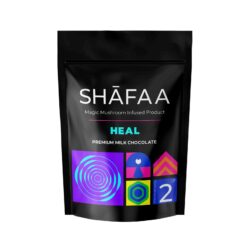

Buy Psilocybin Microdose
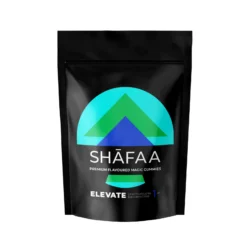

Buy Psilocybin Microdose
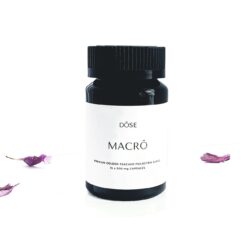
Buy Psilocybin Microdose
Dose MACRO Macrodose Psilocybin Capsules (15 or 30 Capsules)
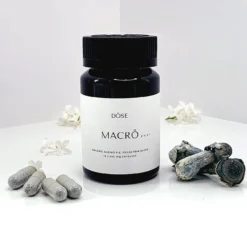
Buy Psilocybin Microdose
Microdose Shrooms For Sale
Spore Wellness Microdosing Mushroom Capsules – The Micro Bundle (Cognitive, Energy, & Immune)
What is psilocybin?
Psilocybin is a naturally occurring psychoactive compound produced by numerous species of fungi.
It belongs to a broader group of compounds known as tryptamines, which share structural relationships with naturally occurring neurotransmitter systems.
Psilocybin itself functions largely as a prodrug. Following administration, it is converted into psilocin, which is responsible for much of the pharmacological activity associated with the psychedelic experience.
Psilocybin-containing mushrooms are commonly referred to as “magic mushrooms,” although this informal term encompasses multiple species and does not describe a single biological species.
The concentration of psilocybin and other compounds can vary considerably between mushroom species, individual specimens and preparations. This variability is one reason researchers use controlled pharmaceutical or laboratory preparations in clinical research rather than relying on naturally variable mushroom material.
Learn more: [What Is Psilocybin?]
Psilocybin and psilocin: what is the difference?
Although the terms are often used interchangeably in popular discussions, psilocybin and psilocin are chemically and pharmacologically distinct.
Psilocybin
Psilocybin is the principal phosphorylated compound found in many psilocybin-containing mushrooms.
Psilocin
Psilocin is the pharmacologically active metabolite produced when psilocybin is converted within the body.
Psilocin interacts with serotonin receptors in the central nervous system, including 5-HT2A receptors.
This distinction is important when interpreting scientific literature because studies may discuss psilocybin administration while investigating biological or subjective effects that are ultimately mediated by psilocin.
Learn more: [Psilocybin vs. Psilocin]
How does psilocybin work?
The precise mechanisms underlying psilocybin’s psychological and therapeutic effects are still being investigated.
One of the best-established findings is that psilocin interacts with serotonin receptors, particularly 5-HT2A receptors.
These receptors are widely distributed throughout the brain, including cortical regions involved in perception, cognition and emotional processing.
Activation of these receptors appears to contribute substantially to the acute psychedelic effects of psilocybin.
However, the complete picture is more complicated.
Researchers are investigating changes involving:
- serotonin signaling
- cortical activity
- functional brain connectivity
- large-scale brain networks
- emotional processing
- cognitive flexibility
- learning and memory
- neuroplasticity
- subjective experience
Some proposed mechanisms remain hypotheses rather than established explanations.
This distinction matters because the scientific community understands considerably more about psilocybin’s receptor pharmacology than it does about exactly how those molecular effects translate into sustained psychological or therapeutic changes.
Learn more: [How Does Psilocybin Work?]
Psilocybin and the brain
Modern neuroimaging research has provided researchers with new ways to study how psychedelics affect the brain.
Studies have investigated changes in:
- functional connectivity
- cortical activity
- communication between brain networks
- sensory processing
- self-referential processing
- emotional processing
- subjective perception
Research involving the 5-HT2A receptor is particularly important because receptor activation appears closely connected to the acute psychedelic effects of psilocybin.
Researchers have also proposed that changes in neural plasticity may contribute to some longer-lasting effects. However, the relationship between acute psychedelic effects, neurobiological changes and longer-term therapeutic outcomes remains an active research question.
It is therefore important to avoid presenting concepts such as “neuroplasticity” as a complete explanation for how psychedelic therapy works.
The current evidence supports several biological mechanisms, but no single mechanism fully explains the clinical and psychological effects observed in research.
Learn more: [Psilocybin and the Brain: Neuroscience and Current Research]
What does psilocybin feel like?
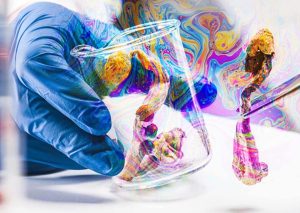
Psilocybin can produce substantial changes in perception, cognition, and subjective experience.
Reported effects may include changes in:
- visual perception
- auditory perception
- sense of time
- emotional intensity
- thought patterns
- perception of the self
- interpretation of the surrounding environment
- sense of meaning or significance
Some people report positive or meaningful experiences, while others may experience anxiety, fear, confusion or psychological distress.
The experience can vary substantially between individuals.
Researchers therefore avoid treating the psychedelic experience as a predictable or uniform event.
Factors that can influence outcomes include individual characteristics, psychological state, environment, expectations, underlying health conditions and the structure of the research or therapeutic setting.
What does the research say about psilocybin?
Psilocybin is currently being investigated across several areas of medicine and neuroscience.
Research has included conditions and areas such as:
- major depressive disorder
- treatment-resistant depression
- anxiety associated with serious illness
- substance-use disorders
- end-of-life psychological distress
- obsessive-compulsive disorder
- eating disorders
- other psychiatric and behavioural conditions
The evidence is not equally strong across these areas.
Some conditions have been studied in randomized controlled trials and systematic reviews, while others remain at an early stage of investigation.
A 2025 systematic review and meta-analysis of randomized controlled trials examined psilocybin-assisted therapy for major depressive disorder and found evidence of potential benefit, while emphasizing the need to interpret the clinical literature carefully.
Other recent systematic reviews have examined therapeutic frameworks, safety, and a wider range of potential clinical indications.
The appropriate conclusion is therefore not that psilocybin has been proven to treat every condition being studied.
Rather:
Psilocybin is an active area of clinical research, with promising findings in some areas but important unanswered questions about efficacy, safety, durability of effects, patient selection and treatment protocols.
Learn more: [Psilocybin Clinical Research]
Psilocybin and depression research
Depression is one of the most extensively studied therapeutic applications of psilocybin.
Clinical research has investigated whether controlled psilocybin administration, generally combined with structured psychological support, can reduce depressive symptoms.
Recent systematic reviews have reported encouraging findings, but the research has limitations.
These include:
- relatively small samples in some studies
- difficulty maintaining participant and therapist blinding
- highly selected clinical populations
- differences between therapeutic protocols
- differences in outcome measures
- varying follow-up periods
- uncertainty about how results generalize to broader populations
A major question for future research is not simply whether psilocybin can produce a short-term reduction in symptoms, but which patients are most likely to benefit, under what conditions, and for how long.
Psilocybin and anxiety research
Researchers have also investigated psilocybin in relation to anxiety, including anxiety associated with serious or life-threatening illness.
Some controlled clinical research has reported reductions in anxiety and related distress following structured psilocybin interventions.
However, results from clinical trials should not be interpreted as evidence that unsupervised psilocybin use is an established treatment for anxiety disorders.
Clinical research generally involves careful participant screening, controlled administration, professional oversight, standardized procedures and structured follow-up.
Those conditions are an important part of how researchers evaluate both potential benefits and potential harms.
Psilocybin and addiction research
Psilocybin is also being studied for potential applications involving substance-use disorders.
Researchers have investigated whether psychedelic-assisted interventions may influence:
- craving
- substance-use behaviour
- psychological flexibility
- motivation
- emotional processing
- treatment engagement
This area remains under investigation.
Research findings should be distinguished from claims that psilocybin is an established treatment for addiction.
The appropriate interpretation depends on the specific substance, population, study design and evidence available.
Psilocybin microdosing research
Microdosing generally refers to repeated administration of amounts of a psychedelic intended to produce limited acute psychedelic effects.
Interest in psilocybin microdosing has grown considerably, but the evidence base differs from the literature surrounding controlled psychedelic-assisted therapy.
Researchers have studied questions including:
- mood
- cognition
- attention
- creativity
- wellbeing
- expectancy effects
- placebo effects
- longer-term safety
One of the major methodological challenges is separating pharmacological effects from expectancy and placebo effects.
Some studies and reviews report potentially positive outcomes, while controlled research has also raised questions about how much of the perceived benefit may be explained by expectations or contextual factors.
Microdosing therefore remains an important research topic rather than a settled therapeutic practice.
Learn more: [Psilocybin Microdosing: What Does the Research Show?]
Psilocybin risks and safety
Psilocybin is not risk-free.
Potential risks can involve both psychological and physical effects.
Psychological risks
Possible adverse experiences include:
- anxiety
- panic
- fear
- confusion
- paranoia-like experiences
- impaired judgment
- severe psychological distress
Physical effects
Reported physiological effects can include:
- nausea
- dizziness
- changes in heart rate
- increases in blood pressure
- muscle effects
- other transient physical symptoms
Health Canada also warns about the risk of accidental poisoning when people incorrectly identify mushrooms.
This is particularly important because multiple mushroom species can resemble one another, and some poisonous mushrooms can cause severe or life-threatening illness.
Product uncertainty
Another major safety consideration is uncertainty about unregulated substances.
A substance sold as psilocybin may not necessarily contain the expected compound or concentration. Laboratory testing, quality control, and controlled manufacturing are therefore important considerations in clinical and regulated research environments.
Learn more: [Psilocybin Risks and Safety]
Psilocybin adverse effects
Adverse effects need to be interpreted in context.
Clinical studies generally use:
- participant screening
- controlled environments
- standardized substances
- trained personnel
- defined protocols
- adverse-event monitoring
- follow-up procedures
These conditions can differ substantially from uncontrolled use.
A systematic review of the safety of psilocybin-assisted psychotherapy has examined adverse events reported across clinical research, while emphasizing the importance of understanding the conditions under which the substance is administered.
Researchers continue to investigate both short-term and longer-term safety.
Important unanswered questions include identifying people who may be at elevated risk and understanding how individual health conditions, medications and psychological factors may influence outcomes.
Learn more: [Psilocybin Adverse Effects]
Psilocybin and drug interactions
Potential interactions between psilocybin and medications or other substances are an important area of clinical research.
The interaction question can be complicated because different medications affect different biological systems, and the evidence available for one drug class may not apply to another.
Research and clinical assessment may consider:
- serotonergic medications
- antidepressants
- monoamine oxidase inhibitors
- stimulants
- other psychoactive substances
- cardiovascular medications
- other prescription drugs
There is not enough evidence to treat every potential interaction as fact.
People taking prescription medications or managing a medical or psychiatric condition should discuss psychedelic exposure with an appropriately qualified healthcare professional rather than relying on generalized online information.
Learn more: [Psilocybin and Drug Interactions]
Psilocybin clinical trials
Clinical trials are one of the most important ways researchers determine whether an investigational substance is safe and effective.
Psilocybin trials may investigate:
- safety
- tolerability
- pharmacology
- therapeutic efficacy
- dose-response relationships
- patient characteristics
- psychological support
- durability of outcomes
Clinical trials also help researchers determine whether findings from early studies can be reproduced in larger or different populations.
A controlled research environment can include standardized drug material, defined treatment protocols, participant screening, professional supervision, and structured outcome measurement.
These safeguards are important because they allow researchers to distinguish potential therapeutic effects from other factors that can influence outcomes.
Canada maintains a clinical-trials framework through Health Canada, and authorized Canadian clinical trials involving psilocybin are part of the country’s regulated research environment.
Learn more: [Psilocybin Clinical Research]
Psilocybin research: what we know and what we don’t
The current scientific picture can be summarized in several categories.
Relatively well established
Researchers have strong evidence that:
- psilocybin is converted into psilocin in the body
- psilocin interacts with serotonin receptors
- 5-HT2A receptor activity is important to the psychedelic effects
- psilocybin can substantially alter perception and cognition
- controlled clinical research is underway across several therapeutic indications
Promising but still developing
Research suggests potential therapeutic effects in areas including:
- depression
- anxiety associated with serious illness
- substance-use disorders
- other psychiatric conditions
However, evidence quality and quantity differ between indications.
Still uncertain
Researchers continue to investigate:
- who benefits most
- who may face increased risk
- optimal therapeutic frameworks
- long-term outcomes
- mechanisms underlying sustained effects
- interactions with medications
- effectiveness outside highly controlled research environments
- how results generalize to broader populations
A scientifically responsible source should make these uncertainties visible rather than presenting emerging hypotheses as established medical facts.
Psilocybin in Canada
Psilocybin and psilocin are controlled substances in Canada under the Controlled Drugs and Substances Act (CDSA).
Health Canada states that activities involving magic mushrooms, psilocybin and psilocin—including possession, production and sale—are illegal unless specifically authorized through an applicable licence, exemption or regulatory pathway.
At the same time, Canada has regulated pathways through which psilocybin may be accessed for particular purposes.
Health Canada identifies:
- Clinical trials
- The Special Access Program
- Individual subsection 56(1) exemptions
as pathways that may allow access to psilocybin in specific circumstances.
These pathways have different requirements and should not be treated as interchangeable.
Health Canada also states that there are currently no approved therapeutic products containing psilocybin in Canada or elsewhere, and emphasizes clinical research as an important route for evaluating unapproved drugs.
Learn more: [Psilocybin in Canada: Laws, Regulation and Authorized Access]
Section 56 and psilocybin
Section 56 of the CDSA provides a mechanism through which exemptions may be granted from specific provisions of the Act.
The scope of an exemption depends on the particular authorization and its terms and conditions.
This is important because a Section 56 reference by itself does not establish that every activity involving a controlled substance is authorized.
The specific:
- substance
- purpose
- person or organization
- activity
- quantity
- setting
- professional involvement
- conditions
- duration
can all matter.
For this reason, claims about authorization should always be based on the actual authorization document and current regulatory requirements.
Health Canada’s regulatory framework should be consulted whenever discussing the current legal status of psilocybin activities in Canada.
Learn more: [Section 56 and Psilocybin in Canada]
Special Access Program and psilocybin
Health Canada’s Special Access Program provides a regulatory pathway through which healthcare practitioners may request access to certain drugs that are not marketed in Canada for patients with serious or life-threatening conditions when conventional treatments have failed, are unsuitable or unavailable, subject to the program’s requirements.
Psilocybin has been discussed within this regulatory framework.
The Special Access Program should not be confused with general public availability or a general authorization to sell psilocybin.
Its operation involves specific healthcare professionals, requests, regulatory requirements and safeguards.
Psilocybin and clinical research in Canada
Canada has an established regulatory framework for conducting clinical research involving controlled substances.
Researchers and organizations conducting activities involving psilocybin must comply with the applicable requirements under Canadian drug and controlled-substance legislation.
Health Canada maintains information about authorized clinical trials and guides organizations seeking to conduct clinical research involving psilocybin.
Clinical research is particularly important because it provides a structured way to investigate both potential benefits and risks.
Why laboratory testing and quality control matter
One of the central differences between controlled clinical research and uncontrolled substance markets is the ability to establish what a research participant is actually receiving.
Scientific research depends on:
- known active ingredients
- controlled concentrations
- quality specifications
- reproducible preparations
- documented handling
- appropriate storage
- traceability
Without reliable information about the identity and concentration of a substance, it becomes much more difficult to interpret its effects or compare results between studies.
This is one reason pharmaceutical-quality research materials and standardized protocols are important to the scientific development of psilocybin-based therapies.
Psilocybin mushrooms and mycology
Psilocybin is a chemical compound, while “psilocybin mushrooms” refers broadly to fungi that contain psilocybin and/or psilocin.
The biological classification of mushrooms is therefore different from the pharmacological classification of the compounds they contain.
Mycology—the scientific study of fungi—can help explain:
- mushroom taxonomy
- species identification
- fungal biology
- mycelium
- fruiting bodies
- ecological relationships
- chemical compounds produced by fungi
Accurate identification is particularly important from a safety perspective because poisonous mushroom species can resemble species containing psilocybin.
Learn more: [Mushroom Identification and Safety]
The difference between scientific evidence and anecdotal experience
Online discussions about psychedelics frequently combine scientific evidence with personal experiences.
Those are not equivalent forms of evidence.
A personal report can describe an individual’s experience, but it cannot establish:
- that a treatment works for a population
- that an effect was caused by psilocybin
- that the effect is reproducible
- that a treatment is safe
- that a particular intervention is appropriate for another person
Clinical research uses structured methodologies to address these questions.
For that reason, evidence-based psilocybin information should prioritize controlled research, systematic reviews, pharmacological evidence and authoritative regulatory sources while clearly identifying anecdotal information as anecdotal.
What researchers still don’t know
The resurgence of psychedelic research has produced important findings, but many questions remain unresolved.
Researchers continue to investigate:
- long-term safety
- durability of therapeutic effects
- optimal therapeutic frameworks
- mechanisms of action
- predictors of treatment response
- individual differences
- medication interactions
- appropriate screening criteria
- treatment-setting effects
- broader population effectiveness
- comparative effectiveness against established treatments
These unanswered questions are not weaknesses in the scientific process.
They are precisely the questions that properly designed research is intended to answer.
Buy Psilocybin Microdose
Buy Psilocybin Microdose
Buy Psilocybin Microdose
Dose MACRO Macrodose Psilocybin Capsules (15 or 30 Capsules)
Buy Psilocybin Microdose
Microdose Shrooms For Sale
Spore Wellness Microdosing Mushroom Capsules – The Micro Bundle (Cognitive, Energy, & Immune)
Frequently asked questions
Is psilocybin a psychedelic?
Yes. Psilocybin is a psychedelic compound that can produce substantial changes in perception, cognition and subjective experience.
What is psilocybin converted into?
Psilocybin is converted in the body into psilocin, which is pharmacologically active.
Does psilocybin affect serotonin receptors?
Yes. Psilocin interacts with multiple serotonin receptors, with 5-HT2A receptor activity playing an important role in the psychedelic effects.
Is psilocybin being studied as a medical treatment?
Yes. Clinical researchers are studying psilocybin across several psychiatric and medical indications.
Is psilocybin an approved medication in Canada?
Health Canada currently states that there are no approved therapeutic products containing psilocybin in Canada.
Is psilocybin legal in Canada?
The answer depends on the specific activity and applicable authorization. Health Canada states that activities such as possession, production and sale of magic mushrooms, psilocybin and psilocin are illegal unless authorized through an applicable licence, exemption or regulatory pathway.
What is Section 56?
Section 56 of the Controlled Drugs and Substances Act provides a mechanism for specific exemptions from provisions of the Act. The scope depends on the particular exemption and its terms.
Is microdosing proven to work?
No single conclusion can be applied to every claimed benefit. Microdosing remains an active area of research, including research into placebo and expectancy effects.
Is psilocybin safe?
Psilocybin can produce adverse psychological and physical effects. Safety depends on numerous factors, and clinical research uses screening, controlled administration and monitoring to evaluate risks.
Can psilocybin interact with medications?
Potential interactions are an important area of research. People taking medications or managing medical or psychiatric conditions should consult an appropriately qualified healthcare professional.
Psilocybin research at Canada Shroom Store
Canada Shroom Store’s psilocybin information is developed around a clear editorial principle:
Scientific claims are supported by primary research, systematic reviews, authoritative government sources or other high-quality scientific literature.
Where evidence is preliminary or conflicting, that uncertainty is stated clearly.
Where Canadian regulatory information is discussed, the relevant government source and date of review should be provided.
Scientific and medical information should also be reviewed by appropriately qualified professionals where applicable.
Continue exploring psilocybin
Psilocybin science
- What Is Psilocybin?
- How Does Psilocybin Work?
- Psilocybin and the Brain
- Psilocybin Pharmacology
- Psilocybin vs. Psilocin
Effects and Safety
- Psilocybin Effects
- Psilocybin Risks and Safety
- Psilocybin Adverse Effects
- Psilocybin and Drug Interactions
Research
- Psilocybin Clinical Research
- Psilocybin and Depression
- Psilocybin and Anxiety
- Psilocybin and Addiction Research
- Psilocybin Research Library
Canada
- Psilocybin Laws in Canada
- Section 56 and Psilocybin
- Special Access Program
- Psilocybin Clinical Trials in Canada
- Canadian Psilocybin Regulatory Timeline
Editorial and scientific information
Author: Dr. Daniel Myran
Scientific review: Qualified scientific/clinical reviewer
Regulatory review: To be confirmed for pages containing legal or regulatory interpretation
Last reviewed: 13/04/2021